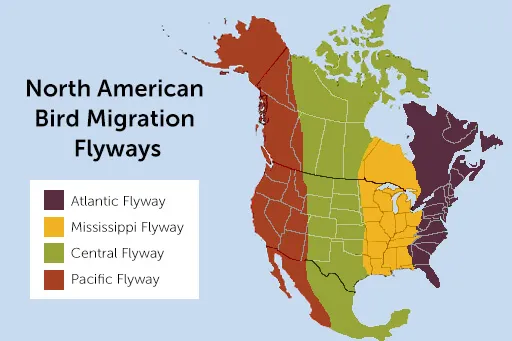
Virginia is a major stopover point for migratory birds along the Atlantic Flyway – a naturally occurring “superhighway” that stretches the entire length of the eastern United States, bordered by the Atlantic Ocean to the east and the Appalachian Mountains to the west. Each fall, millions of birds travel through the Commonwealth on their way to and from their breeding and wintering grounds.
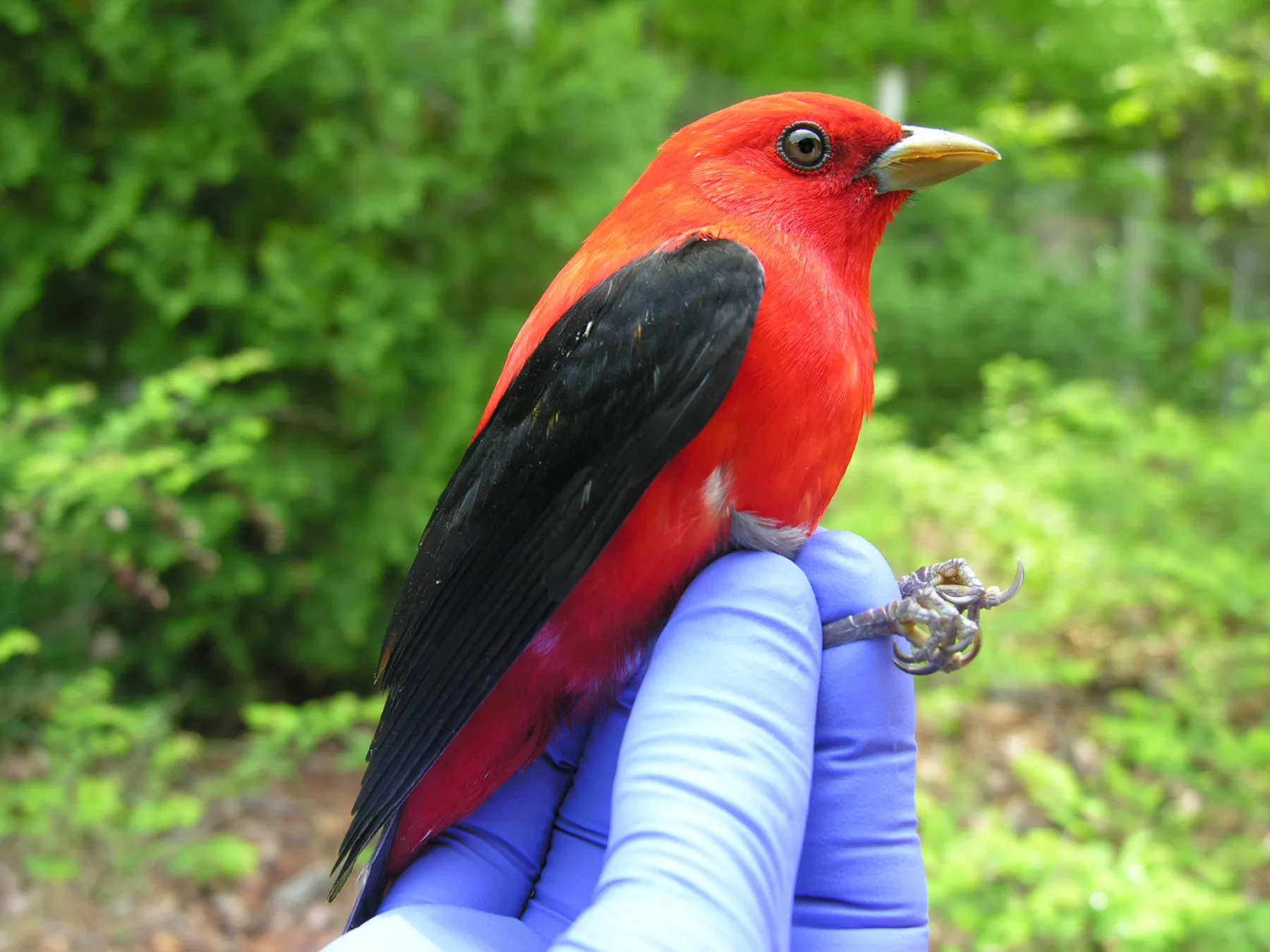
Neotropical migrants make up the largest group of migratory birds found in Virginia. These birds breed in the United States or Canada and migrate south to Mexico, Central America, or South America for the winter. They include a wide variety of species, such as waterfowl, hummingbirds, hawks, falcons, herons, and songbirds.
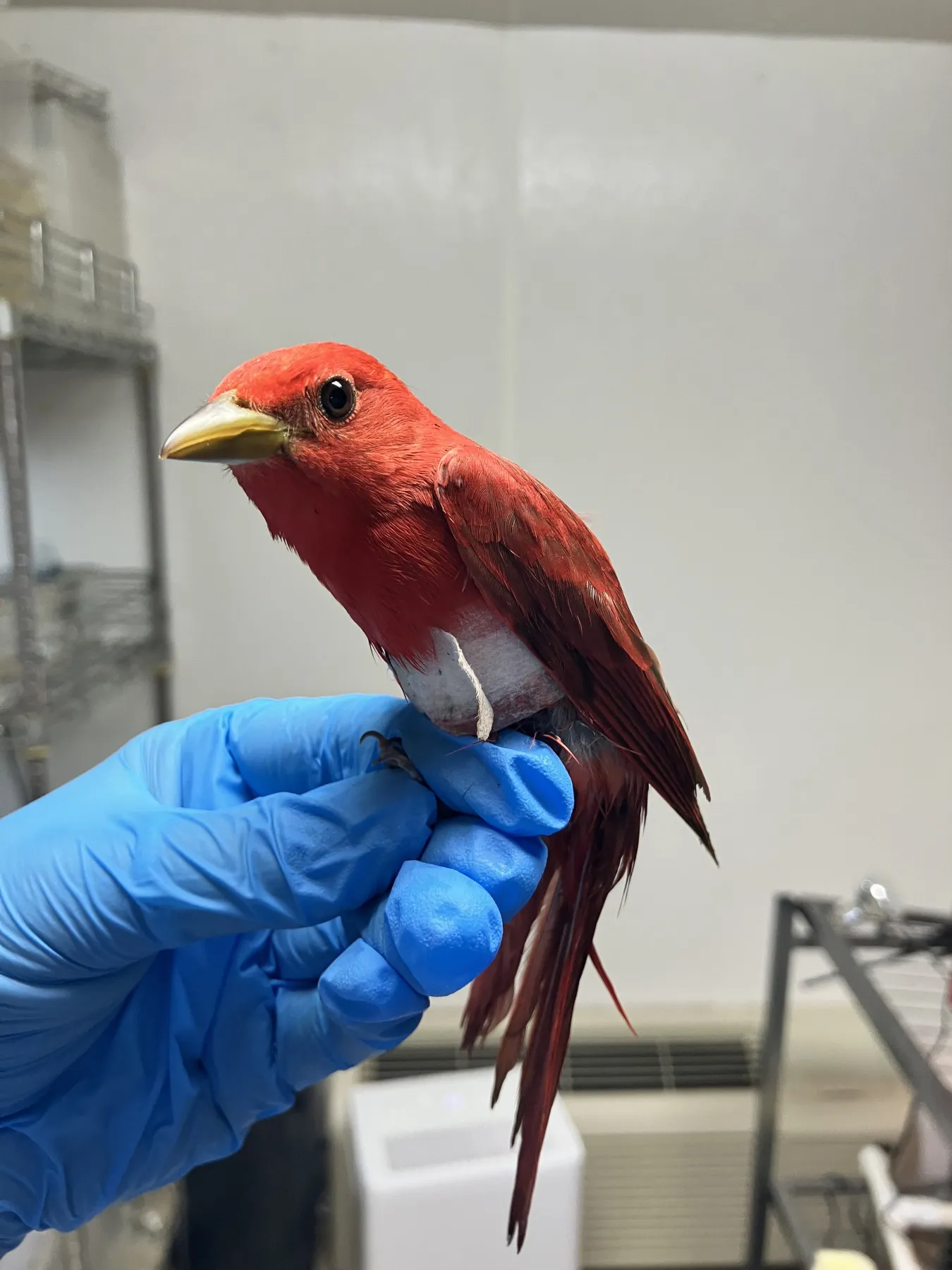
Migratory birds play an important role in Virginia's ecosystems, helping to control insect populations, pollinate plants, and disperse seeds. Unfortunately, many migrants will not reach their final destinations this fall. Their journeys are perilous and added pressures from human-related activities result in many individuals sustaining life-threatening injuries along the way.
As our veterinary and rehabilitation staff work tirelessly to give recently admitted migratory species the best possible chances of survival, consider the following tips to help migratory species yourself:
Make windows bird-safe: Apply decals or patterns, or install screens to help birds see glass as a barrier. Any bird that collides with a window should receive medical attention from a permitted wildlife rehabilitator or veterinarian.
Turn off unnecessary lights at night – Many birds migrate after dark, using stars for navigation. Bright lights can disorient them and lead to deadly collisions.
Create safe yard habitat – Plant native trees, shrubs, and flowers to offer food and shelter. Avoid herbicides and pesticides—remember, many birds rely on insects for nourishment.
Keep cats indoors – Free-roaming cats kill billions of birds every year, including migrating birds. Keeping cats indoors protects both wildlife and pets.
Support science and habitat conservation – Participate in community bird conservation groups or citizen science efforts like reporting banded birds or joining eBird. These projects help researchers track populations and movements.
If you come across a bird (or any wild animal) that appears to be sick, injured, or in distress, call the Wildlife Center at 540-942-9453. Center staff can provide guidance on what to do.
If you'd like to witness migration firsthand, Virginia offers some spectacular public birding spots:
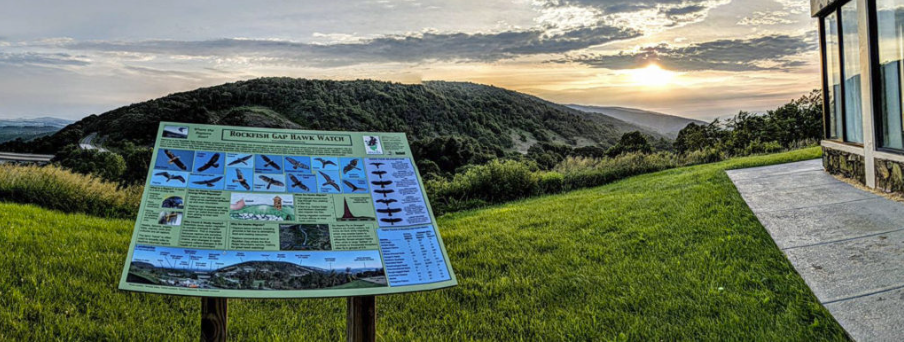
Rockfish Gap Hawk Watch in Afton offers a panoramic view over the Shenandoah Valley and the Piedmont region. Peak hawk migration takes place during the last two weeks of September, when viewers can see thousands of migrating hawks in a single day!
Chincoteague National Wildlife Refuge and Back Bay National Wildlife Refuge feature barrier islands, marshes, and beaches teeming with shorebirds and waterfowl.
Forested refuges like Great Dismal Swamp National Wildlife Refuge and Mason Neck National Wildlife Refuge also play a key role in providing rest for traveling songbirds

To learn more and watch migration unfold, check out Untamed Episode 2011: Bird Migration, produced in partnership with Virginia Public Media.